통합 검색
통합 검색
LengtheningㅣCorrection
Gangnam Champion Orthopedic Surgery
Hospital
- Limb Lengthening & Correction
- Spine & Joint
- Hand & Foot
- Rehabilitation
Limb Lengthening
Surgery
in Korea
Height Increase Surgery
Femoral Lengthening
Tibial Lengthening
PRECICE
Complication Treatment
Revision Surgery
Limb lengthening surgery is an orthopedic procedure used to gradually increase the length of a bone.
It may be performed to correct leg-length discrepancy, congenital or acquired limb shortening, post-traumatic deformity, growth-plate injury, or, in selected adults, to increase standing height.
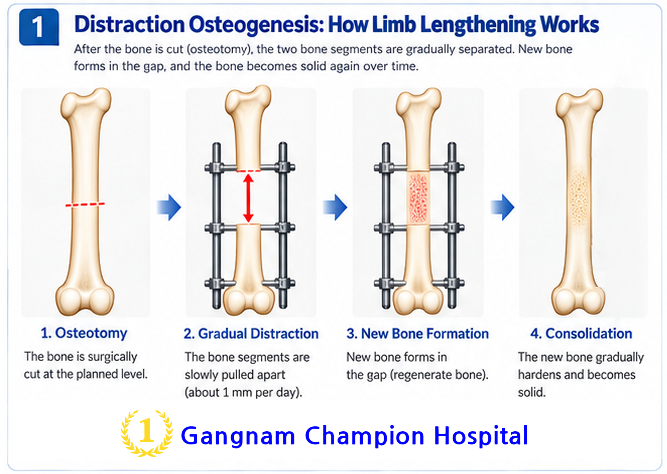
The basic principle is known as distraction osteogenesis.
After the bone is surgically divided, the two bone segments are gradually separated. New bone forms in the developing gap while the surrounding muscles, nerves, blood vessels, tendons, fascia and skin adapt to the increasing limb length.
Because these soft tissues must adapt together with the bone, successful limb lengthening requires much more than simply increasing the number of centimeters.
At Gangnam Champion Hospital, surgical planning focuses on appropriate lengthening, limb alignment, body proportions, soft-tissue flexibility, rehabilitation and early recognition of complications.

1. What Is Limb Lengthening Surgery?
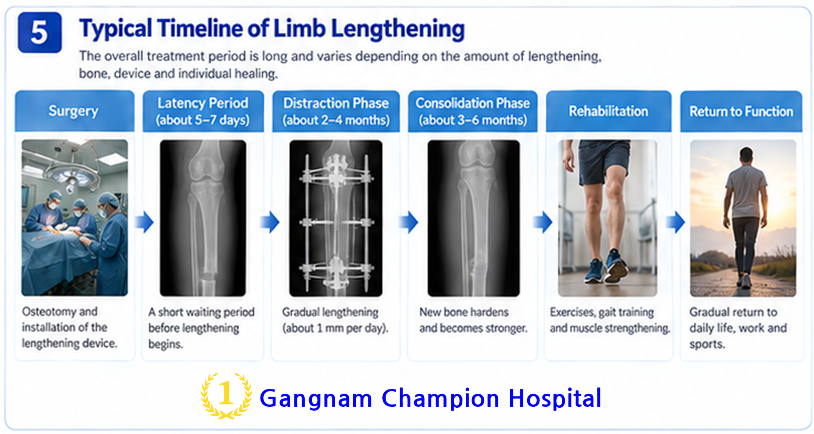
Limb lengthening gradually increases bone length through controlled distraction.
The procedure typically involves:
✔ Osteotomy of the selected bone
✔ Placement of a lengthening device
✔ A short latency period
✔ Gradual distraction
✔ Formation of new bone
✔ Consolidation of the regenerated bone
✔ Rehabilitation and functional recovery
The femur, tibia, humerus and other long bones may be lengthened depending on the indication.
2. What Is Stature Lengthening Surgery?
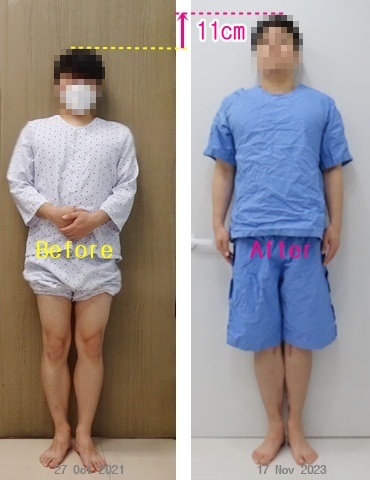
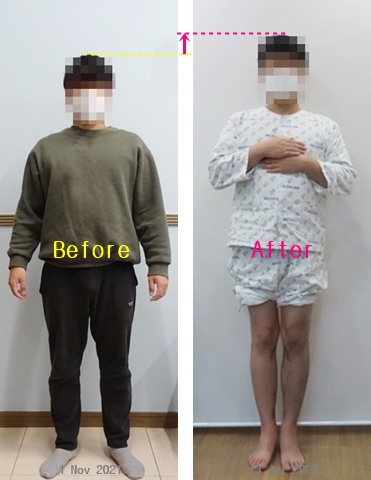
Stature lengthening refers to bilateral lower-limb lengthening performed primarily to increase standing height.
It is also searched online as:
✔ Height increase surgery
✔ Height lengthening surgery
✔ Height surgery
✔ Cosmetic limb lengthening
✔ Stature lengthening
✔ Leg lengthening surgery
The orthopedic principle is the same as other limb-lengthening procedures, but bilateral stature lengthening requires particularly careful planning because both lower limbs are treated.
Published systematic reviews have reported meaningful average height gains and generally high patient satisfaction, but complications, temporary functional limitations and prolonged rehabilitation remain important considerations.
3. Who May Need Limb Lengthening?
Limb lengthening may be considered for patients with:
✔ Leg-length discrepancy
✔ Congenital limb shortening
✔ Growth-plate injury
✔ Post-traumatic shortening
✔ Malunion after fracture
✔ Limb deformity
✔ Neuromuscular conditions
✔ Previous surgery resulting in shortening
✔ Selected cases of short stature
✔ Adults considering elective stature lengthening
The indication, surgical method and acceptable amount of lengthening differ significantly between these groups.
4. Leg-Length Discrepancy
A difference in leg length may be congenital or acquired.
Potential causes include:
✔ Growth-plate injury
✔ Congenital skeletal conditions
✔ Previous fracture
✔ Infection
✔ Previous surgery
✔ Neuromuscular disorders
A significant discrepancy can contribute to gait asymmetry, pelvic obliquity and compensatory changes elsewhere in the musculoskeletal system.
Treatment should be based on the measured discrepancy, skeletal maturity, symptoms and overall alignment.
5. How Does Distraction Osteogenesis Work?
Distraction osteogenesis is the biological principle behind limb lengthening.
After osteotomy, the bone segments are gradually separated.
The body produces new bone within the distraction gap.
At the same time, surrounding tissues must gradually adapt.
These include:
✔ Muscle
✔ Tendon
✔ Ligament
✔ Nerve
✔ Blood vessels
✔ Fascia
✔ Skin
The process therefore involves bone regeneration and soft-tissue adaptation simultaneously.
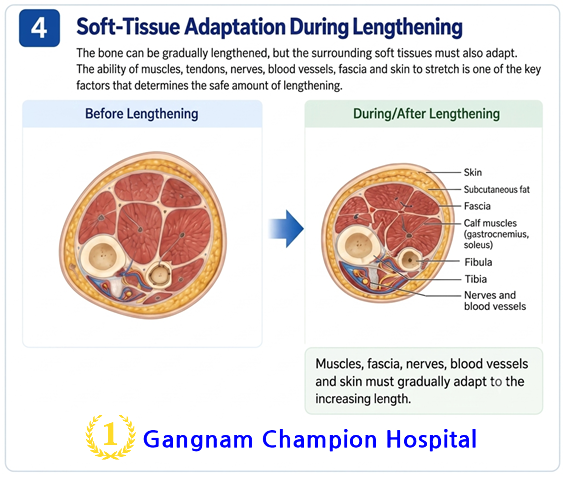
6. Why Soft-Tissue Adaptation Is So Important
Bone can be mechanically distracted with a lengthening device.
Soft tissues, however, have biological limits.
If muscles, tendons, nerves or other tissues cannot adapt adequately to increasing length, complications may occur.
Potential problems include:
✔ Joint stiffness
✔ Muscle contracture
✔ Equinus deformity
✔ Nerve symptoms
✔ Pain
✔ Loss of range of motion
✔ Gait difficulty
This is why the appropriate amount and rate of lengthening should be individualized rather than determined solely by a desired height increase.
7. How Fast Is the Bone Lengthened?
A commonly used distraction rate is around 1 mm per day, often divided into several smaller adjustments.
However, the actual rate may be modified depending on:
✔ Bone regeneration
✔ Pain
✔ Joint motion
✔ Muscle flexibility
✔ Nerve symptoms
✔ Patient age
✔ Bone being lengthened
✔ Radiographic findings
Some patients may require slower or temporarily paused distraction.
The correct rate is the rate that balances new bone formation with soft-tissue adaptation.
8. Femoral Lengthening
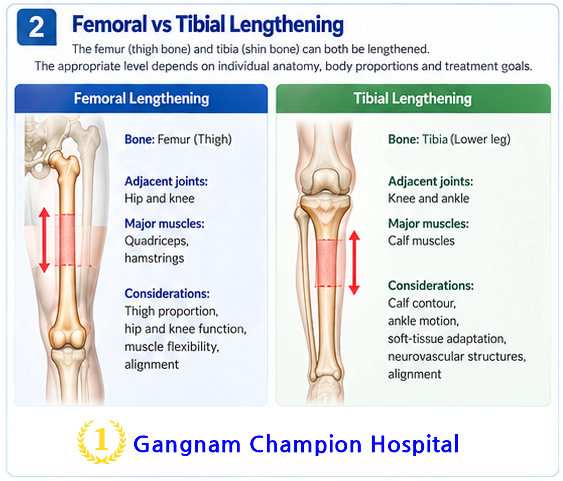
Femoral lengthening increases the length of the thigh bone.
It may be considered for:
✔ Stature lengthening
✔ Femoral shortening
✔ Leg-length discrepancy
✔ Post-traumatic shortening
✔ Congenital deformity
Important considerations include:
✔ Femoral anatomy
✔ Hip and knee motion
✔ Quadriceps and hamstring flexibility
✔ Lower-limb alignment
✔ Rotational alignment
✔ Body proportions
9. Tibial Lengthening
Tibial lengthening increases the length of the lower-leg skeleton.
Important considerations include:
✔ Knee motion
✔ Ankle motion
✔ Calf muscles
✔ Achilles tendon flexibility
✔ Tibia-fibula relationship
✔ Neurovascular structures
✔ Mechanical axis
Ankle equinus and soft-tissue tightness are recognized concerns during tibial lengthening and require close monitoring and rehabilitation. In a systematic review of cosmetic stature lengthening, ankle equinus was among the most frequently reported problems or obstacles.
10. Femur vs Tibia: Which Is Better for Height Increase?
There is no universal answer.
The decision may depend on:
✔ Femur length
✔ Tibia length
✔ Femur-to-tibia ratio
✔ Desired height increase
✔ Muscle flexibility
✔ Knee and ankle condition
✔ Body proportions
✔ Previous surgery
✔ Patient-specific risk factors
The goal should be appropriate proportional lengthening, not maximum lengthening.
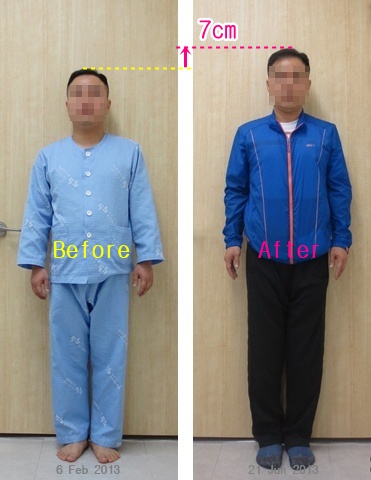
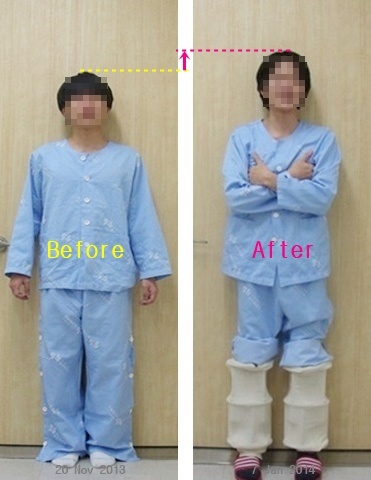
11. Why Maximum Lengthening Should Not Be the Goal
Patients frequently ask:
“How many centimeters can I gain?”
But the most important question is not the maximum mechanically achievable length.
Greater lengthening also increases the amount of adaptation required from:
✔ Muscles
✔ Tendons
✔ Nerves
✔ Blood vessels
✔ Joints
✔ Skin and fascia
Therefore, the planned target should be adjusted according to actual tissue response during treatment.
12. How Much Height Can Be Gained?
There is no single safe or appropriate amount for every patient.
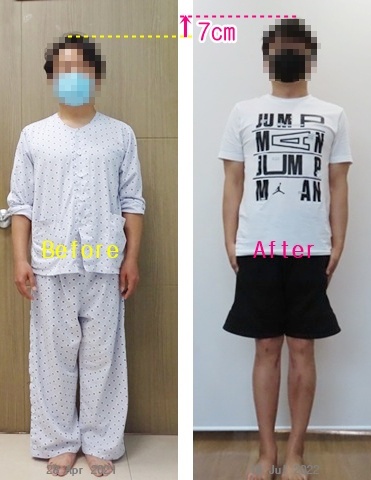
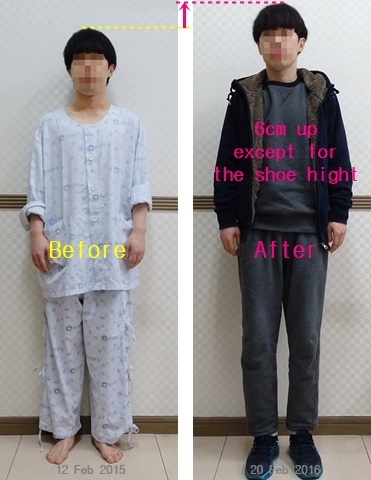
In published cosmetic stature-lengthening studies, average achieved lengthening has commonly been in the several-centimeter range; one systematic review of 795 patients reported a mean final lengthening of about 6.7 cm, but the included techniques and patient populations varied widely. This should not be interpreted as a recommended target for every patient.
Appropriate lengthening depends on:
✔ Original bone length
✔ Soft-tissue flexibility
✔ Joint motion
✔ Nerve tolerance
✔ Bone regeneration
✔ Body proportions
✔ Surgical method
✔ Rehabilitation progress
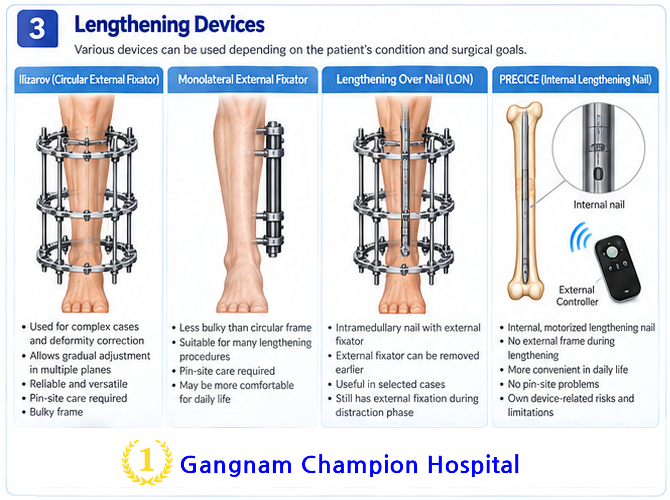
13. External Fixation
Traditional limb lengthening has often used external fixation.
Methods include:
✔ Circular Ilizarov frames
✔ Monolateral external fixators
✔ Hybrid methods
External fixation allows controlled adjustment and can be useful in complex deformity correction.
Potential disadvantages include:
✔ Pin-site infection
✔ Scarring
✔ Patient discomfort
✔ Difficulty with clothing and daily activities
✔ Joint stiffness
✔ Longer time wearing an external frame
External fixation remains valuable in appropriately selected complex cases.
14. Ilizarov Method
The Ilizarov technique uses a circular external-fixation system.
Its major strengths include the ability to manage:
✔ Lengthening
✔ Angular deformity
✔ Rotational deformity
✔ Bone loss
✔ Nonunion
✔ Complex reconstruction
Although newer internal devices have reduced reliance on external frames for some indications, the biological principle developed through Ilizarov techniques remains fundamental to modern limb lengthening.
15. Monolateral External Fixation
A monolateral or straight-bar external fixator may be used in selected cases.
Compared with circular frames, it can be less bulky but remains an external device with pin or wire fixation through the skin.
Its role depends on:
✔ Bone anatomy
✔ Desired correction
✔ Patient age
✔ Deformity
✔ Bone quality
✔ Surgeon preference
16. Lengthening Over Nail
Lengthening over nail (LON) combines an intramedullary nail with an external fixator during the distraction phase.
The technique was developed partly to reduce the prolonged duration of external fixation.
After the desired length is achieved, the internal nail helps maintain alignment and stability while the external frame can be removed according to the surgical protocol.
However, it still carries risks associated with both internal and external fixation.
17. Internal Lengthening Nails
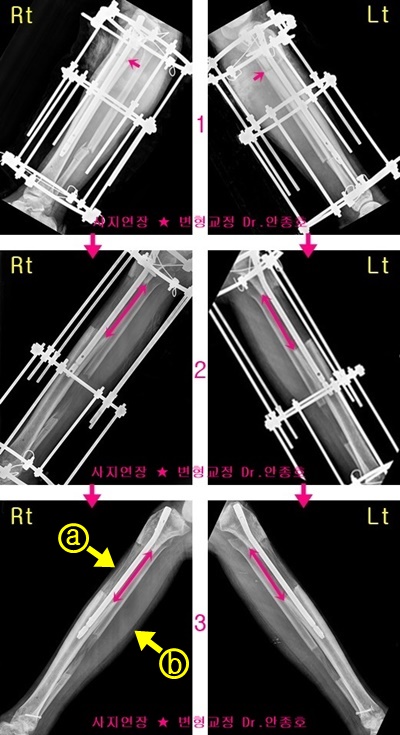
Modern intramedullary lengthening systems allow gradual bone lengthening without a prolonged external frame.
Potential advantages include:
✔ No external pins during the main lengthening period
✔ Less pin-site scarring
✔ Easier clothing and daily hygiene
✔ Improved patient comfort in selected patients
However, internal nails have their own limitations and complications.
Systematic review data involving motorized intramedullary nails such as PRECICE and FITBONE found device-, bone- and treatment-related complications in a substantial proportion of lengthened segments, emphasizing that internal nails should not be regarded as complication-free.
18. PRECICE Limb Lengthening
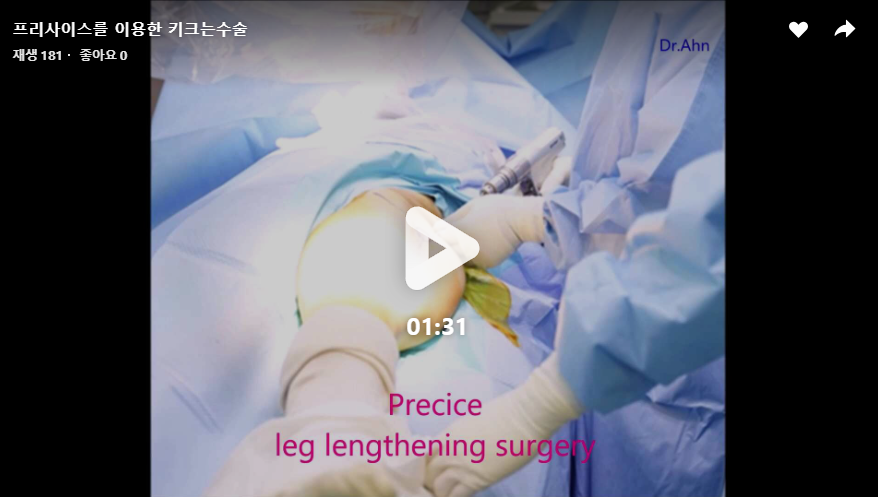
PRECICE is a motorized intramedullary lengthening nail used in selected limb-lengthening procedures.
The device allows controlled distraction through an internal mechanism.
Potential advantages compared with prolonged external fixation include:
✔ Internal implantation
✔ No external distraction frame
✔ Reduced pin-site problems
✔ Greater convenience during daily life
However, weight-bearing restrictions, implant limitations, bone-healing requirements and device-related complications must be considered.
Patient selection is therefore essential.
19. Can Patients Walk During Lengthening?
Walking ability depends strongly on the device, bone being lengthened, amount of distraction, bone quality and stage of healing.
Some fixation systems permit more weight bearing than others.
Patients using certain intramedullary lengthening nails may require significant weight-bearing restrictions until sufficient regenerate bone develops.
Therefore:
“Can I walk immediately?”
cannot be answered universally.
The postoperative walking plan should follow the actual implant specifications and individual radiographic healing.
20. Preoperative Evaluation
A comprehensive evaluation may include:
✔ Full-length standing X-rays
✔ Femoral and tibial measurements
✔ Mechanical-axis analysis
✔ Joint range of motion
✔ Muscle flexibility
✔ Gait assessment
✔ Bone quality
✔ Previous operative history
✔ General medical evaluation
✔ Treatment goals
For stature lengthening, body proportions should also be assessed.
21. Body Proportion Before Surgery
Preoperative measurements may include:
✔ Standing height
✔ Sitting height
✔ Arm span
✔ Femoral length
✔ Tibial length
✔ Upper-to-lower body ratio
✔ Femur-to-tibia ratio
Increasing leg length changes overall body proportions.
Planning should therefore consider what the patient may look like after lengthening, not only the desired final height.
22. Surgical Planning
The surgical plan should define:
✔ Bone to be lengthened
✔ Target length
✔ Osteotomy level
✔ Fixation method
✔ Alignment
✔ Distraction protocol
✔ Weight-bearing strategy
✔ Rehabilitation plan
✔ Monitoring schedule
The target may need to be modified during treatment according to tissue response.
Detailed Limb Lengthening Surgery Information
Would you like to learn more about limb lengthening, femoral and tibial lengthening, distraction osteogenesis, PRECICE, external fixation, surgical planning and rehabilitation?
Visit our detailed Limb Lengthening Surgery Guide for additional educational information about the lengthening process, surgical methods and recovery.
23. Anesthesia
Limb-lengthening surgery is a major orthopedic procedure.
Anesthesia may involve:
✔ Regional anesthesia
✔ Sedation
✔ A combined approach
The appropriate method depends on the procedure, patient condition and anesthetic assessment.
24. Minimal-Incision Techniques
Modern limb-lengthening surgery may often be performed through relatively limited surgical exposures compared with older open procedures.
However, the primary surgical priorities are:
✔ Appropriate osteotomy
✔ Alignment
✔ Stable fixation
✔ Preservation of soft tissues
✔ Safe implant placement
Scar size should not take priority over surgical quality or bone and soft-tissue safety.
25. The Lengthening Phase
After surgery and an appropriate latency period, gradual distraction begins.
The patient or caregiver may be instructed how to operate the lengthening mechanism according to the device used.
During the distraction period, regular follow-up is essential.
Monitoring may include:
✔ X-rays
✔ Joint range of motion
✔ Muscle tightness
✔ Pain
✔ Nerve symptoms
✔ Bone formation
✔ Device function
26. The Consolidation Phase
After the target length is achieved, distraction stops.
The newly formed bone then needs time to mature and strengthen.
This is known as the consolidation phase.
The duration varies according to:
✔ Amount of lengthening
✔ Bone
✔ Patient age
✔ Biological bone formation
✔ Fixation method
✔ Medical factors
27. Why Rehabilitation Is Essential
Rehabilitation is not an optional addition to limb lengthening.
It is an integral part of treatment.
The goals include:
✔ Maintaining joint motion
✔ Preventing contractures
✔ Stretching muscles and tendons
✔ Maintaining strength
✔ Preserving gait mechanics
✔ Adapting to increasing limb length
Failure to maintain adequate motion can lead to significant functional problems.
28. Knee Motion During Femoral Lengthening
Femoral lengthening can place increasing tension on the quadriceps and other soft tissues around the knee.
Knee flexion should therefore be monitored throughout treatment.
Loss of motion may require:
✔ More intensive stretching
✔ Adjustment of distraction rate
✔ Temporary pause
✔ Additional treatment in severe cases
29. Ankle Motion During Tibial Lengthening
Tibial lengthening increases tension through the calf and Achilles tendon complex.
Loss of ankle dorsiflexion may result in equinus.
Prevention may involve:
✔ Daily stretching
✔ Physiotherapy
✔ Bracing
✔ Modification of distraction rate
In selected cases, additional procedures may be required.
30. Limb Lengthening Complications
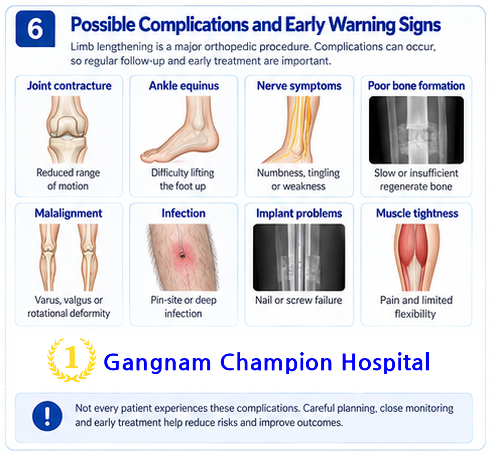
Potential complications include:
✔ Joint contracture
✔ Muscle tightness
✔ Nerve irritation or injury
✔ Vascular problems
✔ Premature bone consolidation
✔ Poor regenerate formation
✔ Delayed union
✔ Nonunion
✔ Malalignment
✔ Rotational deformity
✔ Infection
✔ Pin-site infection
✔ Implant failure
✔ Joint stiffness
✔ Equinus deformity
✔ Deep vein thrombosis
✔ Need for additional surgery
Complication profiles differ by technique and indication. Reviews of both external fixation and intramedullary lengthening report meaningful rates of treatment-related problems and obstacles, even when final outcomes and satisfaction are favorable.
31. Muscle Contracture
As the bone length increases, muscles must elongate.
If muscle adaptation is insufficient, contracture can occur.
Commonly affected areas depend on the segment being lengthened.
Potential consequences include:
✔ Reduced knee motion
✔ Reduced ankle motion
✔ Abnormal gait
✔ Pain
✔ Difficulty continuing distraction
Early recognition is important.
32. Nerve Symptoms During Lengthening
Nerves must adapt to increasing limb length.
Symptoms such as:
✔ Numbness
✔ Tingling
✔ Burning pain
✔ Weakness
should be assessed promptly.
Depending on severity, treatment may include modification or temporary suspension of the distraction process and further neurological evaluation.
33. Poor Bone Formation
New bone formation varies significantly between patients.
Sometimes regenerate bone forms too slowly or lacks adequate density.
Potential contributing factors include:
✔ Excessive distraction rate
✔ Smoking
✔ Poor nutrition
✔ Medical conditions
✔ Biological variation
✔ Previous surgery
The distraction protocol may need adjustment.
34. Premature Consolidation
In some patients, new bone may mature too rapidly before the desired length has been achieved.
This can make further distraction difficult.
Close radiographic monitoring helps identify premature consolidation early.
35. Delayed Union and Nonunion
The regenerate bone may occasionally take longer than expected to mature.
In more severe cases, nonunion can occur.
Treatment depends on the cause and may include:
✔ Additional time
✔ Modification of weight bearing
✔ Bone stimulation
✔ Bone grafting
✔ Revision fixation
36. Malalignment and Rotational Deformity
The limb must remain aligned while it lengthens.
Potential deformities include:
✔ Varus
✔ Valgus
✔ Flexion
✔ Extension
✔ Rotation
Accurate surgery and regular imaging are important for detecting changes early.
37. Infection
External fixation can cause pin-site infections.
Internal implants can also become infected, although the presentation and management differ.
Infection severity ranges from superficial irritation to deep infection requiring additional procedures.
38. Implant Failure
Implants are subjected to substantial mechanical stress during lengthening and consolidation.
Potential problems include:
✔ Nail failure
✔ Screw breakage
✔ Mechanical malfunction
✔ Loss of fixation
Excessive weight bearing before adequate bone formation can increase mechanical stress on some devices.
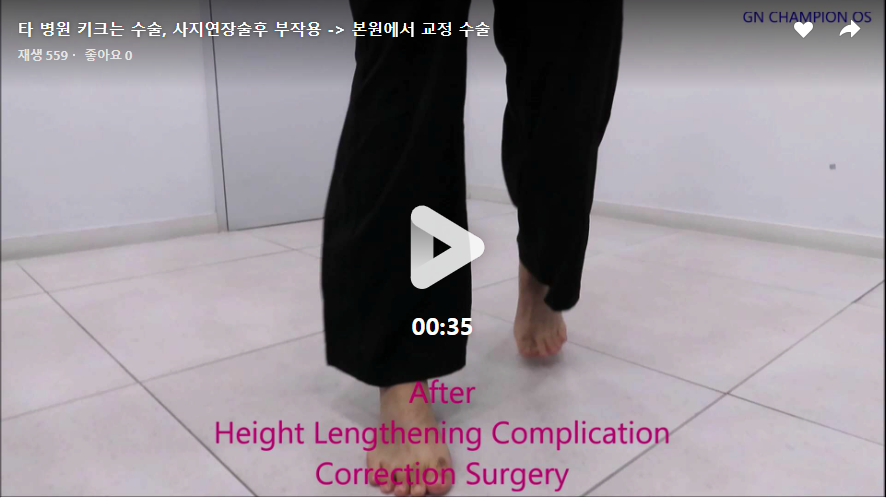
39. Complication Treatment After Limb Lengthening
Patients who develop problems after limb-lengthening surgery may require a detailed reassessment of:
✔ Bone healing
✔ Alignment
✔ Joint motion
✔ Muscle contracture
✔ Nerve function
✔ Implant condition
✔ Leg-length difference
✔ Infection
✔ Gait
Treatment should address the underlying problem rather than simply the patient's current height or bone length.
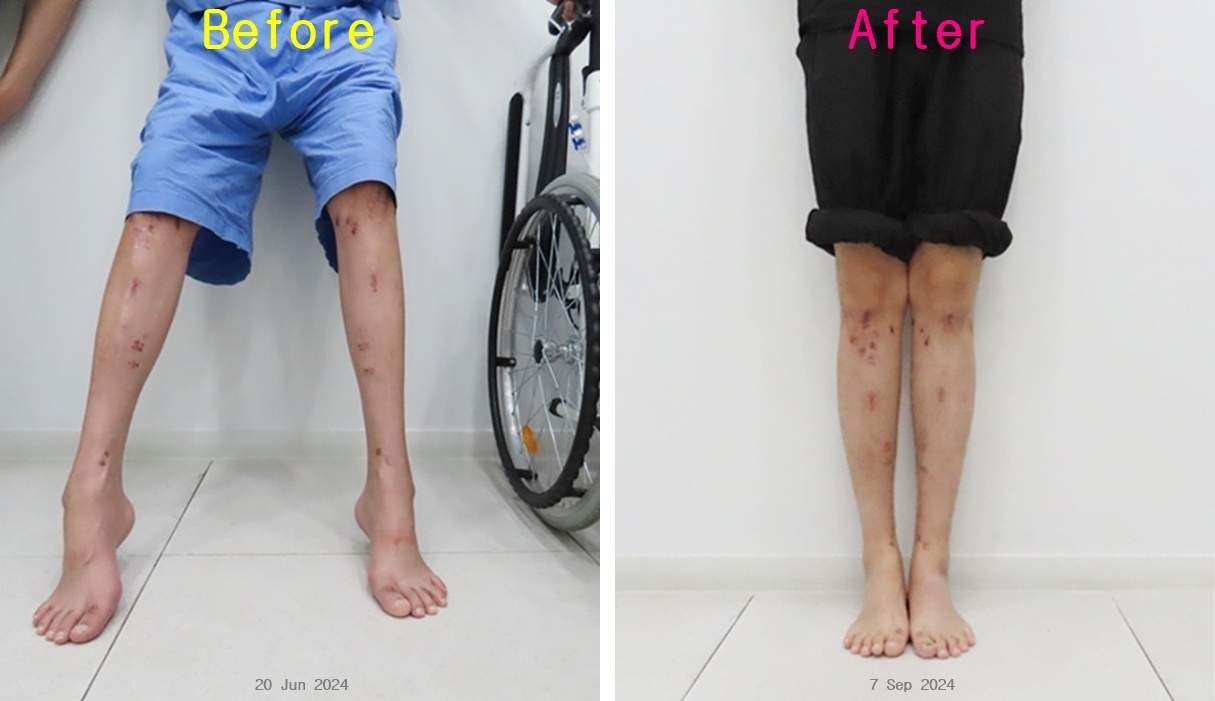
40. Revision Limb Lengthening Surgery
Revision surgery may be considered for complications such as:
✔ Nonunion
✔ Malunion
✔ Residual shortening
✔ Excessive lengthening
✔ Rotational deformity
✔ Joint contracture
✔ Implant failure
✔ Persistent deformity
✔ Previous unsuccessful limb-lengthening surgery
Revision procedures are generally more complex because previous surgery has altered the bone and surrounding soft tissues.
More About Limb Lengthening Complications & Revision Surgery
Complications after limb lengthening may involve bone healing, alignment, joint motion, muscles, nerves, infection or the lengthening device itself.
Patients who have undergone previous limb lengthening may require a different treatment strategy from patients undergoing primary surgery.
Our detailed guide explains common limb-lengthening complications, evaluation after previous surgery and principles of revision treatment.
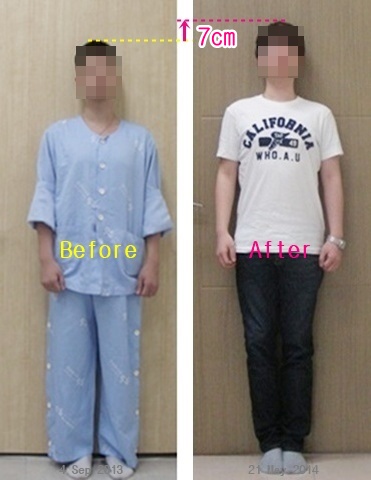
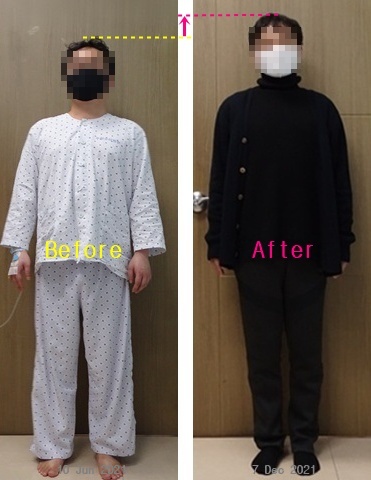
41. Can Excessive Lengthening Be Corrected?
In selected patients, excessive lengthening or disproportion following previous surgery may require corrective treatment.
Options depend on:
✔ Bone length
✔ Body proportions
✔ Alignment
✔ Muscle and soft-tissue condition
✔ Previous implants
✔ Joint function
Correction may involve osteotomy, realignment, shortening or other reconstructive techniques.
Looking for Height Reduction Instead?
Limb lengthening increases lower-limb length through gradual distraction and new bone formation. Limb shortening is a different orthopedic procedure used to reduce bone length in selected patients.
If you are looking for information about surgical height reduction rather than height increase, visit our dedicated Height Reduction Surgery page.
42. Limb Lengthening After Previous Complications
Previous complications do not automatically mean that no further treatment is possible.
However, revision planning often requires detailed imaging and assessment of:
✔ Previous osteotomy sites
✔ Bone stock
✔ Regenerate bone
✔ Previous scars
✔ Infection history
✔ Neurovascular status
✔ Joint contractures
✔ Current implants
43. Long-Standing Limb Deformities
Patients with deformities that have existed for many years may still be evaluated for reconstructive treatment.
Examples include deformities associated with:
✔ Childhood injury
✔ Previous fracture
✔ Polio
✔ Cerebral palsy
✔ Growth-plate disturbance
✔ Congenital skeletal conditions
Treatment possibilities depend on current anatomy and function rather than the age of the deformity alone.
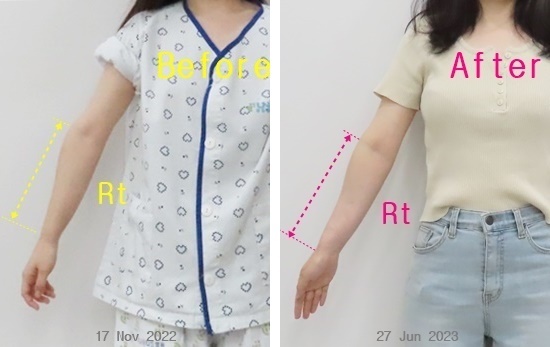
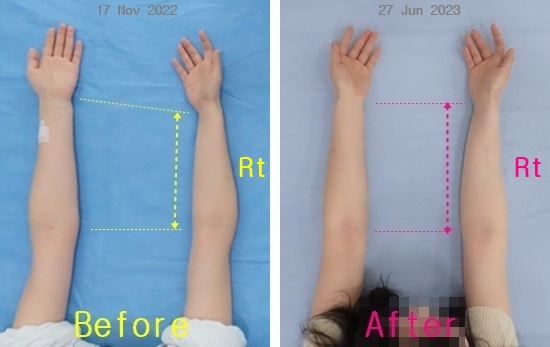
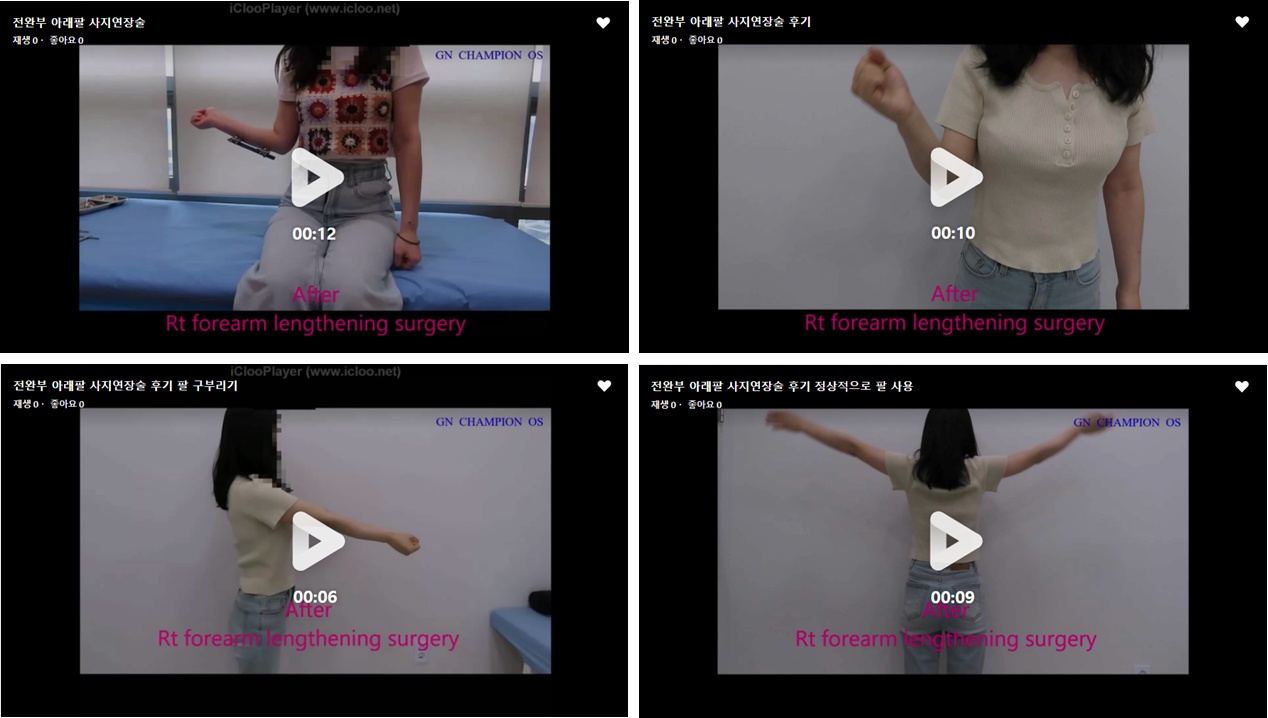
44. Arm Lengthening & Humerus/Forearm Lengthening
Arm lengthening surgery may be considered in selected patients with a short upper limb caused by congenital conditions, growth disturbance, previous trauma, infection, or previous surgery.
The humerus (upper arm bone) or forearm (lower arm bone) can be gradually lengthened using the same biological principle of distraction osteogenesis used in lower-limb lengthening.
Arm lengthening may be considered for:
✔ Congenital shortening of the arm
✔ Right-to-left arm length difference
✔ Growth-plate injury
✔ Post-traumatic shortening or deformity
✔ Shortening after previous surgery
✔ Selected upper-limb deformities
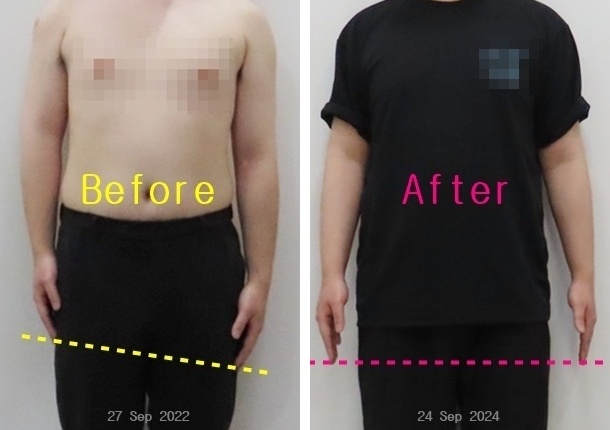
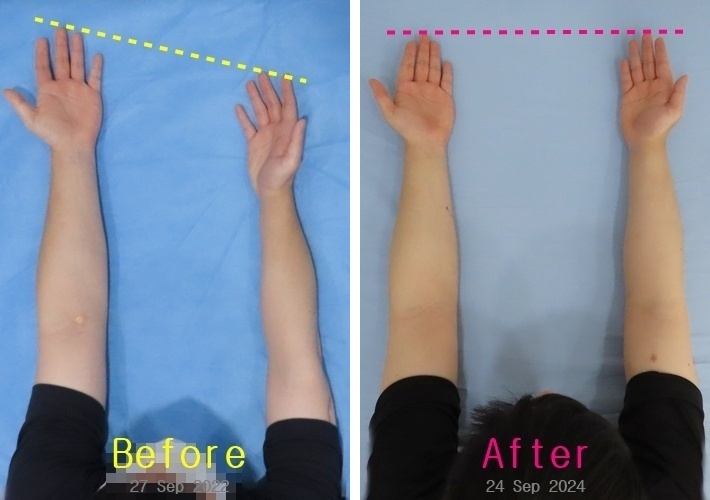
Unlike stature lengthening, the primary goal of arm lengthening is usually to improve upper-limb length, symmetry, proportion, and function rather than standing height.
During treatment, careful attention is required to the shoulder, elbow and hand range of motion, nerves, muscles, bone formation, alignment, and hand function.
Depending on the patient's anatomy and indication, different fixation or lengthening methods may be considered.
The appropriate amount of arm lengthening should be determined individually according to the original bone length, arm proportions, joint function, nerve tolerance, soft-tissue flexibility, and treatment goals.
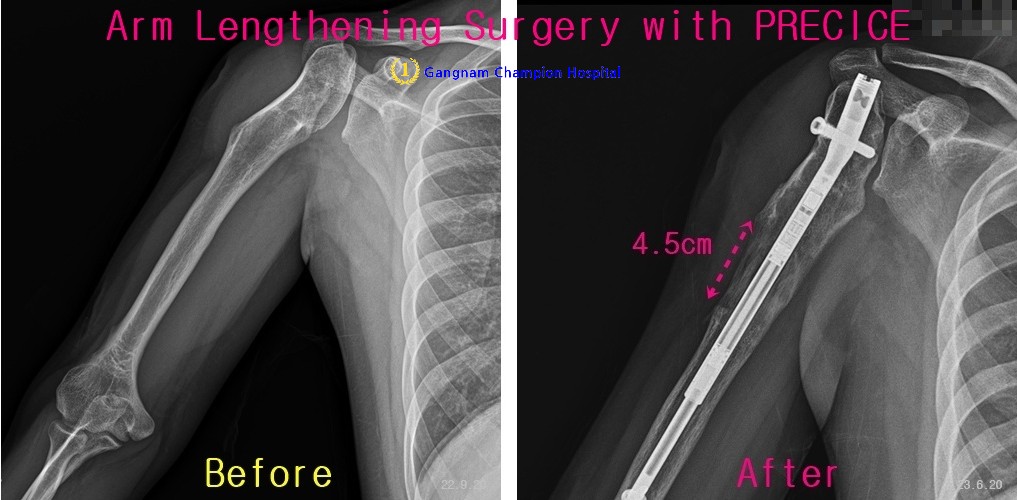
Humerus Lengthening
Humerus lengthening specifically refers to gradual lengthening of the upper arm bone. Because important nerves and soft tissues surround the humerus, the procedure requires careful planning and close monitoring throughout the lengthening process.
Patients who have undergone previous upper-arm surgery or who have a complex deformity may require additional evaluation of bone alignment, previous implants, joint motion, and neurological function before treatment can be planned.
Motorized intramedullary nails have also been reported for humeral lengthening in selected cases, although the published patient numbers remain relatively small.
45. Return to Daily Life
Recovery after limb lengthening is gradual.
The timeline varies according to:
✔ Bone treated
✔ Amount of lengthening
✔ Fixation method
✔ Bone healing
✔ Joint motion
✔ Muscle condition
✔ Complications
✔ Rehabilitation
Patients should expect treatment to occur over months rather than days or weeks.
46. When Can I Return to Exercise?
Return to exercise should be staged.
Early rehabilitation focuses on:
✔ Range of motion
✔ Flexibility
✔ Safe mobility
✔ Muscle activation
Higher-impact activities should wait until there is adequate bone healing and medical clearance.
47. Psychological Readiness
Elective stature lengthening requires a prolonged treatment course.
Patients should understand:
✔ Recovery duration
✔ Temporary limitations
✔ Need for rehabilitation
✔ Possibility of complications
✔ Uncertainty of exact final height
✔ Impact on work and daily life
Recent literature has emphasized that patient-centered outcomes in cosmetic stature lengthening extend beyond centimeters and include function, quality of life and psychosocial impact.
48. Frequently Asked Questions
Q. How much taller can I become?
There is no universal target. The appropriate amount depends on bone length, soft-tissue flexibility, joint motion, nerve tolerance, body proportions and bone formation.
Q. Is 1 mm per day always used?
Approximately 1 mm per day is commonly used, but the rate may need to be slowed, paused or adjusted depending on biological and soft-tissue response.
Q. Does lengthening hurt?
Pain and discomfort vary. Muscle and soft-tissue tension may increase as lengthening progresses.
Q. Can I walk during lengthening?
It depends on the implant, lengthened bone, weight-bearing restrictions and stage of treatment.
Q. Is PRECICE complication-free?
No. Internal lengthening nails avoid some external-fixator problems but have their own device-, bone- and treatment-related complications.
Q. Which is better, PRECICE or an external fixator?
Neither is universally superior. Selection depends on indication, anatomy, deformity, weight-bearing requirements, cost and treatment goals.
Q. Can complications from previous limb lengthening be treated?
Many complications can be evaluated for reconstructive or revision treatment, although the appropriate treatment depends on the underlying problem.
Q. Can old deformities still be corrected?
Some longstanding deformities can be treated, but current anatomy, joints, soft tissues and neurovascular condition must be assessed.
Q. Is rehabilitation really necessary?
Yes. Joint motion and soft-tissue flexibility are fundamental parts of successful lengthening.
Q. Is limb lengthening the opposite of limb shortening?
Biologically and mechanically they are quite different. Lengthening requires gradual distraction and new bone formation, whereas shortening removes or reduces bone length acutely.
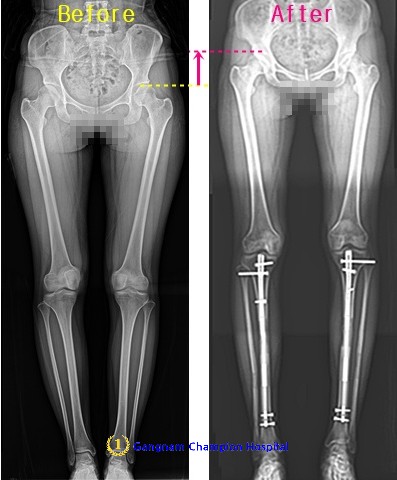
49. Limb Lengthening & Revision Surgery in Seoul, Korea
Gangnam Champion Hospital provides evaluation for:
✔ Limb-length discrepancy
✔ Femoral lengthening
✔ Tibial lengthening
✔ Stature lengthening
✔ External fixation
✔ Internal limb-lengthening nails
✔ PRECICE procedures
✔ Post-traumatic shortening
✔ Long-standing deformity
✔ Limb-lengthening complications
✔ Nonunion and malunion
✔ Revision limb-lengthening surgery
✔ Upper-limb lengthening
Patients with previous surgery are encouraged to provide previous operative records and current imaging whenever available.
Our Approach to Limb Lengthening
At Gangnam Champion Hospital, the objective is not to perform the largest number of limb-lengthening procedures.
The focus is on carefully selected patients, individualized surgical planning, close monitoring during distraction and active management of rehabilitation and complications.
An appropriate plan considers:
✔ Bone Length
✔ Body Proportions
✔ Alignment
✔ Muscle & Soft-Tissue Flexibility
✔ Joint Function
✔ Bone Regeneration
✔ Patient Goals
The objective is not simply to gain the maximum number of centimeters.
It is to achieve an appropriate lengthening while preserving function and proportion as much as possible.
International Patients: Planning Surgery in Korea
International patients require planning beyond the surgical procedure itself.
Important considerations include:
✔ Preoperative remote assessment
✔ Travel timing
✔ Required imaging
✔ Duration of stay
✔ Follow-up schedule
✔ Rehabilitation
✔ Accommodation
✔ Emergency contact
✔ Long-term radiographic monitoring
Limb lengthening requires repeated evaluation throughout distraction and consolidation, so the follow-up plan should be established before surgery.
International Patient Consultation
International patients interested in limb lengthening surgery in Korea may contact Gangnam Champion Hospital before arranging travel.
For a preliminary assessment, please provide available medical information, standing photographs, height and body measurements, and lower-limb X-rays.
Preliminary Online Evaluation
For preliminary review, international patients may be asked to provide:
✔ Age, Sex
✔ Current height
✔ Desired height
✔ Previous orthopedic history
✔ Previous surgery
✔ Full-leg standing X-rays, if possible
✔ Photographs
✔ Existing implant information
✔ Current symptoms
A preliminary review does not replace in-person clinical evaluation.
Further imaging or examination may be requested before a treatment plan can be established.
Gangnam Champion Hospital
525 Ogeum-ro, Songpa-gu
Seoul, South Korea
T : +82-2-408-7575
E : drahn818@naver.com
◆: [ Consultation ]
Patients from overseas may contact the hospital for information regarding consultation, treatment scheduling, expected stay in Korea, and follow-up care.
This page provides general educational information about limb lengthening and reconstructive orthopedic surgery. The appropriate indication, lengthening amount, surgical technique, implant, weight-bearing protocol and rehabilitation plan vary according to individual anatomy and medical condition. Individual evaluation is required before treatment can be recommended.
-축소 150.jpg)